



Recently, the Ministry of Culture and Tourism, the Central Propaganda Department, the Ministry of Industry and Information Technology, the Ministry of Education, the State-owned Assets Supervision and Administration Commission of the State Council, the National Cultural Heritage Administration, and the All-China Federation of Trade Unions jointly issued the "Notice on Promoting Industrial Culture, Protecting Industrial Heritage and Developing Industrial Tourism", clearly stating 8 key tasks including strengthening the investigation of industrial heritage resources, improving the protection level of industrial heritage, exploring and explaining the value of industrial culture, enriching the supply of industrial tourism products, enhancing the quality of industrial tourism services, leveraging the educational function of study tours, increasing publicity and promotion efforts, and strengthening the safety defense line for industrial tourism. This notice provides policy guidance and action guidelines for the protection and utilization of industrial heritage and the high-quality development in the textile sector.
The textile industry was an important starting point and a vital pillar of China's modern industry, carrying the profound memories of the inception of national industry, the pursuit of national salvation through industry, industrial upgrading, and the spirit of craftsmanship. From a number of iconic old factories such as the 17th Cotton Textile Factory in Shanghai, the No. 5 Cotton Factory in Qingdao, the Third Cotton Textile Factory in Tianjin, the Daming Factory in Changzhou, and the Honglou Silk Factory in Nanchong, to the numerous textile workshops, silk workshops, dyeing and printing areas, complete sets of equipment and archival documents across the country, they together constitute a large-scale, diverse, and high-value group of textile industrial heritage in China, serving as precious carriers of industrial civilization and urban heritage.
In terms of protection and inheritance, the "Notice" requires adhering to the principles of prioritizing protection, reasonable utilization, and minimal intervention, promoting systematic protection and archiving and filing, improving the hierarchical and categorized resource database, maintaining the integrity of the heritage layout, structure, style and core items, and including those meeting the standards in the protection system. This provides institutional and long-term protection support for century-old textile factories, old looms, textile pipeline systems, printing and dyeing processes, etc. The Qingdao Textile Valley, based on the former site of Guoonong Fifth Cotton Mill, has completely preserved the German Bauhaus zigzag factory buildings and textile equipment, and has built a textile museum, which is a typical practice of "minimal intervention and preservation of style".
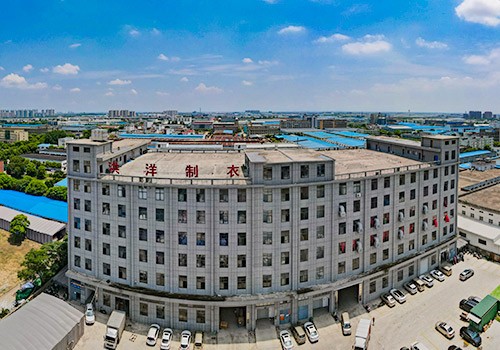
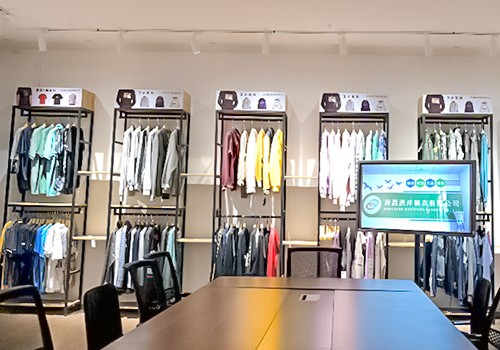
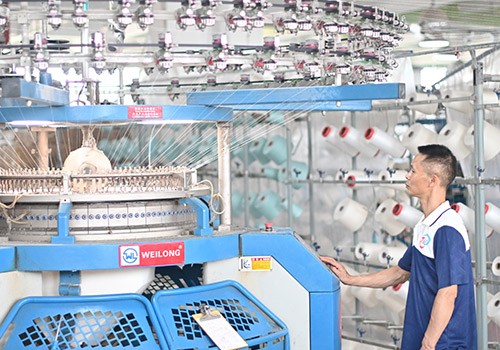
In terms of business model innovation, the "Notice" encourages the utilization of creative design, business model integration, and architectural renovation to revitalize industrial sites, developing "factory tours", smart tours, and study tours, and expanding "industrial tourism +" consumption scenarios. Textile enterprises can, under the premise of ensuring safety and confidentiality, open experience projects such as production observation, traditional craft dyeing, fabric customization, and garment handcrafting, and create sightseeing factories, study bases, and fashion shows. The Shanghai International Fashion Center and Nanchong Liuxing Silk Museum Park have successfully explored the integration path of "industrial relics + cultural and creative tourism + study education".
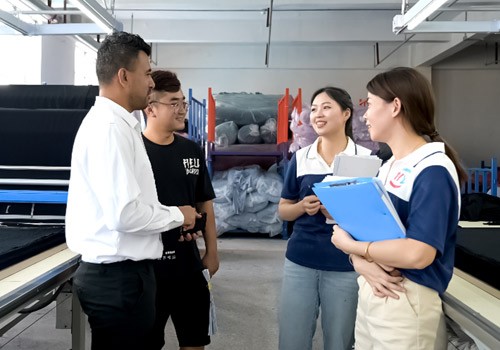
The notice also highlights the educational function of study tours, supporting the development of study tour products by utilizing industrial heritage, modern factories, and textile museums. It incorporates industrial science popularization, skill experience, and cultural inheritance into practical teaching, helping young people understand the process of building a strong industrial nation and a powerful technological country, and fostering their career ideals. Many regions have included textile industry study tours in the practical courses of primary and secondary schools, becoming an important scene for labor education and science popularization.
The "Notice" encourages the exploration of innovative measures for revitalizing and utilizing existing industrial heritage and industrial buildings to develop industrial tourism. Develop industrial tourism based on local conditions and explore the formation of distinctive development models.
Currently, the Chinese textile industry is committed to establishing a new image of a "culture-led fashion industry". The release of the "Notice" will surely promote the telling of the stories of China's textile industry, allowing the century-old industrial heritage to rejuvenate in the new era and becoming a new highlight and new engine for cultural inheritance, industrial upgrading, and cultural tourism integration.